Parts of a Book in English for Kids
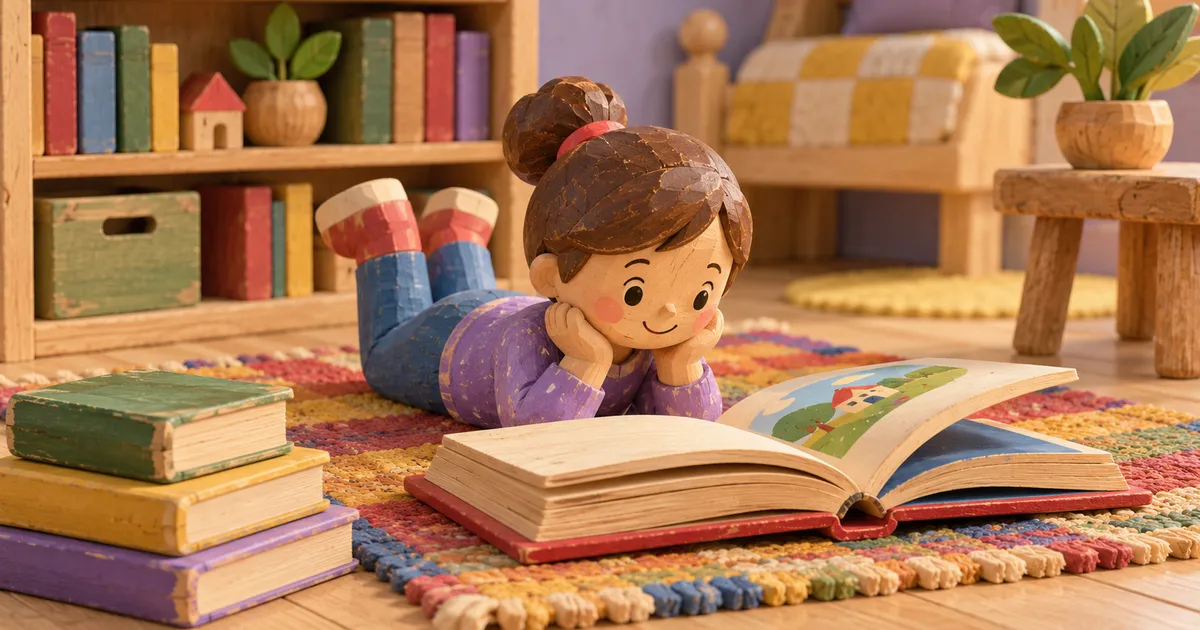
Parts of a Book in English: Words and Activities for Kids covers a book’s physical features, creators, and reading tools. Start with cover, title, author, page, and picture. As reading skills grow, add spine, illustrator, chapter, contents, index, and glossary. Teach with a real book: ask your child to point, turn, find, and explain. Do not memorise every term at once. Help your child discuss books, follow classroom instructions, and find information confidently.
📥 Parts of a Book Practice Pack
Learn, identify, and use important book words
Leave your email — we'll send the PDF to your inbox.No spam — the PDF plus one short reminder. Unsubscribe anytime.
Core Book Words to Teach First
For a first lesson, Parts of a Book in English: Words and Activities for Kids fits three groups. Physical parts can be touched; information parts identify the book; navigation parts guide readers through it. These groups make new words concrete.
Begin with five or six words. Add more after your child follows short instructions: “Touch the cover” or “Turn the page.” Older learners can explain, “The glossary tells me what this word means.”
Books contain different parts. A short picture book may lack chapters, index, or glossary; a fact book may use all three. Check each book before calling a part missing.
Using the Words in Real Sentences
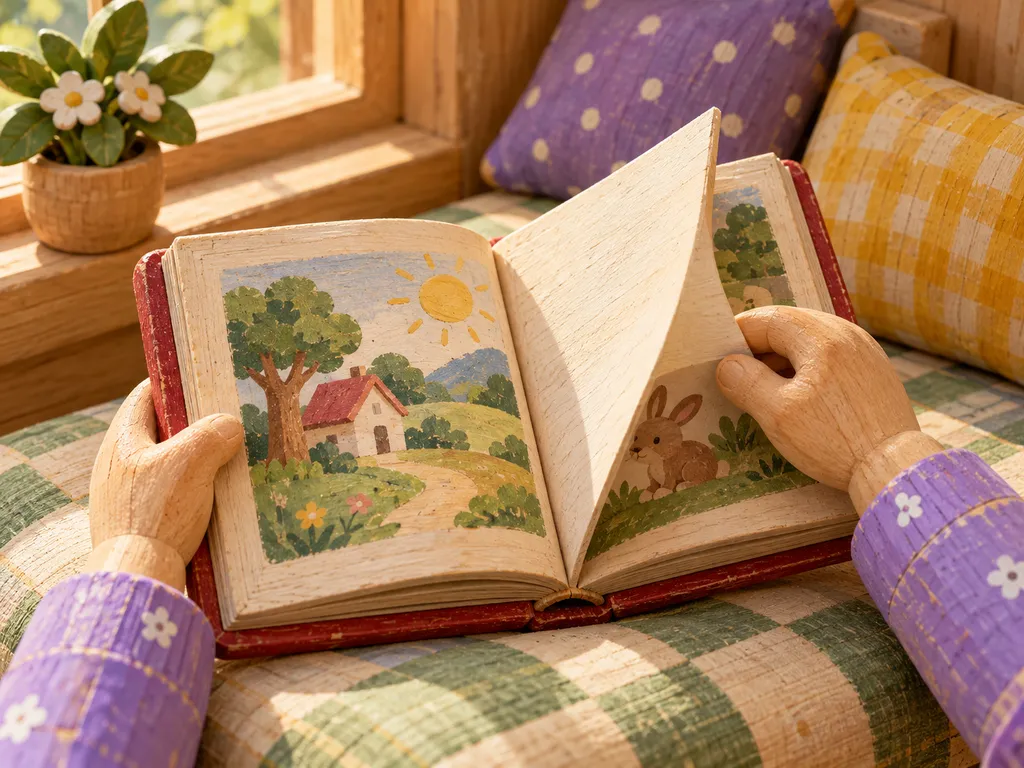
When practising Parts of a Book in English: Words and Activities for Kids, pair each noun with an action: open, close, turn, point to, read, find, check, or look at. These pairs prepare children for lesson and shared-reading instructions.
Give one instruction at a time: “Open the book,” “Point to the title,” or “Find page eight.” When those feel familiar, join two steps: “Use the contents page and find the chapter about space.” This tests the book word and its purpose.
Build speaking with questions: “Who wrote this book?”, “What can you see on the cover?”, “Which chapter comes next?”, or “Where can we check this word?” Accept short answers, then model a full sentence: “The author wrote the book,” or “We can check the word in the glossary.”
Activities for Different Ages
For school-age kids, use a picture book and teach cover, title, page, author, and picture. Play “Point and touch”: say a word; your child touches the matching part. Swap roles so your child says “cover” and you point. Make an occasional mistake for your child to correct.
With school-age kids, Parts of a Book in English: Words and Activities for Kids can include spine, illustrator, title page, chapter, and table of contents. Compare two books: “Which book has more chapters?” or “Where is the author’s name?” A storybook and a fact book work well because their layouts differ.
For school-age kids, add index, glossary, heading, caption, and blurb. Set a search task, not a definition test: “Find the page that explains volcanoes,” or “Use the glossary to explain erosion.” Older learners can compare how printed books and e-books show page numbers, chapters, and navigation menus.
Simple Practice at Home and in Lessons
A five-minute routine supports regular review: choose one book, name three parts, follow two instructions, and answer one question. Change books every few days so your child learns meanings, not positions. In online lessons with LearnLink tutors, these words support reading and classroom instructions.
Book Detective Challenge
Choose a storybook or fact book. Ask your child to find the front cover, title, author, spine, and first page. Give three clues: “Find the person who drew the pictures,” “Show me where chapter two begins,” and “Find a tool that explains a difficult word.” Award one point for finding the part and one point for naming it in English.
Make word cards from small pieces of paper. Write one book word on each card, shuffle them, and place each card on the matching part. If a book lacks an index or glossary, your child should say, “This book does not have one.” The answer shows understanding, not failure.
Common Mistakes and How to Correct Them
A frequent problem with Parts of a Book in English: Words and Activities for Kids is treating cover, page, and title as synonyms. The cover is a physical part; the title is the book’s name; a page is one sheet or screen. Contrast them: “Touch the cover, then read the title.”
Children may confuse author and illustrator. The author writes the words; the illustrator creates the pictures. One person may do both jobs, so check the title page instead of guessing from the cover design.
Another mistake is calling the table of contents an index. The table of contents lists sections in reading order near the front; an index lists topics alphabetically near the back. Ask which tool fits a task. Purpose sticks better than a definition.
- Try labeling five book parts with sticky notes during tonight’s bedtime reading.
- Practice distinguishing cover and title page using one picture book for ages five to seven.
- Ask your child to point, name, and correct three misplaced labels independently.
- Use the sentence, “The author writes; the illustrator draws,” to prevent role confusion.
- Repeat difficult words twice, then find each matching book part within thirty seconds.
When a word has several meanings or pronunciations, Cambridge Dictionary is a useful check before turning it into child-friendly examples.
Frequently Asked Questions
Which Parts of a Book Should a Beginner Learn First?
Start with book, front cover, back cover, title, author, page, and picture. These words appear in almost any children’s book. Teach four or five at a time through actions such as “Open the book” and “Point to the title.” Add spine, illustrator, and page number when your child follows the first instructions without help.
How Can Our Tutors Teach Book Vocabulary Without Translation?
Teach Parts of a Book in English: Words and Activities for Kids through objects, gestures, and short commands. Hold up a book when saying “book,” touch the spine, and turn a page. Repeat each action with different books. If your child speaks two or more languages, allow connections between ideas, but keep practice instructions in English.
What Is the Difference Between the Contents Page and the Index?
The table of contents shows book sections in reading order. The index lists specific topics alphabetically and gives their pages. Practise by finding a chapter through the contents page, then one narrow subject through the index. A children’s book may have only one of these tools.
Should Children Learn Book Words from Printed Books or E-books?
Both formats help. Printed books make the cover, spine, and physical pages visible and touchable. E-books teach digital controls such as menu, search, next page, and bookmark. Begin with a printed book for physical parts, then compare it with an e-book. The comparison shows which features stay the same and which change.
Start your child's English journey today — book a trial lesson with LearnLink.
Stay updated on our latest tips and resources by following us on Instagram LearnLink.